
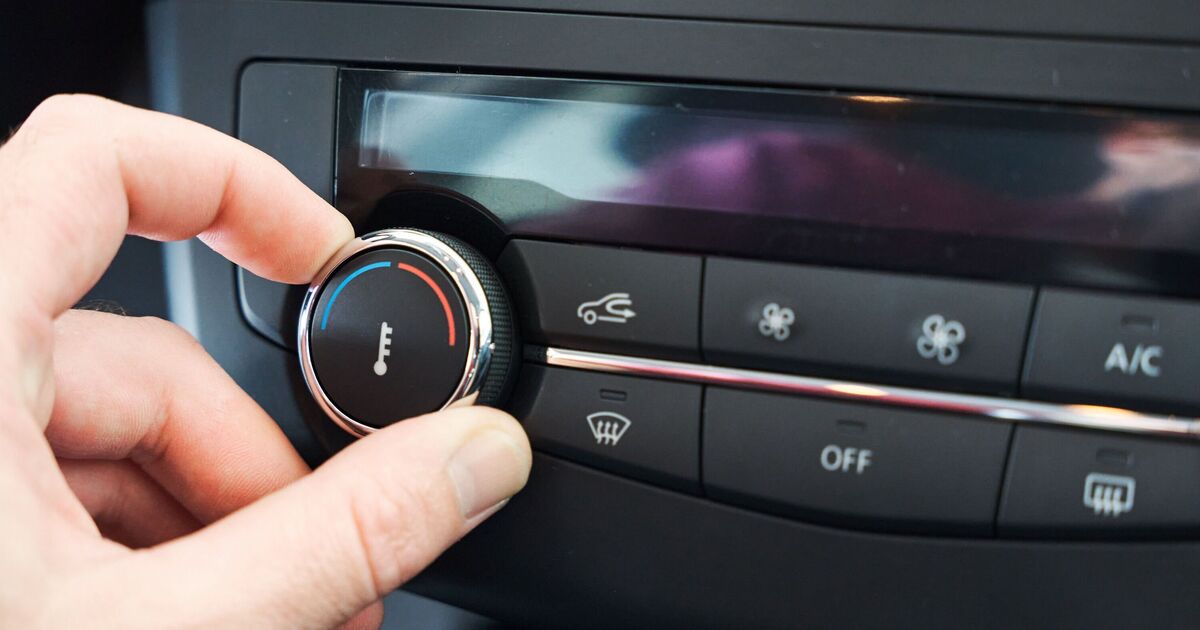
Motorists have been told to press one crucial car button as the UK’s petrol and diesel crisis continues to hit fuel stations. Fuel prices continue to rise, with diesel hitting a three-year high on Monday as oil disruption in the Middle East continues to plague motorists.
According to the RAC, petrol is now up £8 per tank since the end of February, with diesel owners paying around £16 more to top-up their cars. The AA has started warning road users to change their driving habits in a bid to save fuel, such as cutting non-essential journeys.
They explained: “Using your car’s air conditioning can increase fuel consumption by up to 10%, however at higher speeds, opening windows will create wind resistance, which decreases efficiency.
“Whilst stationary or at low speeds you should try to use your windows to keep cool and save the air con for use on the motorway, but even better try not to use it at all. Dress for the weather inside and outside the car so that you don’t have to use the heat settings as much.”
Air conditioning uses up more fuel because the system is driven by the engine, putting an extra load on the crucial component. It means vehicles require more power to operate, with the increased workload requiring the engine to burn more fuel.
Short journeys could use even more fuel. When the vehicle initially sets off, the air-con has to work harder to bring the temperature down to a normal level. The RAC also previously warned that this is more of a problem in older cars than in the newer models fitted with more efficient air-con tools.
The air conditioning switch is usually found among the climate settings on the centre console just above the gear stick. However, in more modern vehicles, these settings may also be accessible through the in-car infotainment system.
KwikFit has previously explained the extent car air conditioning would have on petrol and diesel fuel use.
They said: “On average, air conditioning can increase fuel consumption by between 8% and 10%. Translated into litres, estimates reveal that using your air conditioning while driving can use between 0.2 and 0.4 litres per hour.”















Leave a comment