
By removing the common item from your car, drivers could save up to 25% on fuel

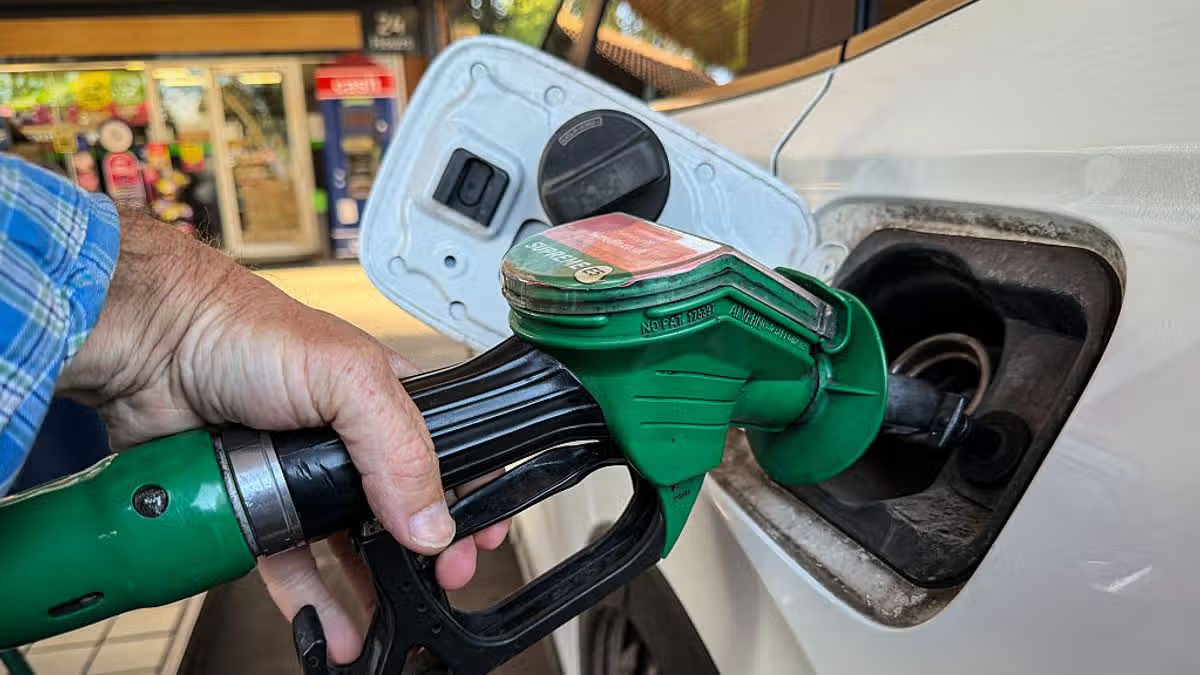
Sharp price spikes throughout 2026 have added roughly £22 to the cost of filling a standard family petrol tank(Image: Getty )
A motoring expert says UK drivers could save up to 25 per cent on petrol by removing one item from their car. The UK national average for unleaded petrol is around 168.5p to 170.7p per litre. Prices across the UK are currently trending downward following recent drops in wholesale oil costs. However, a majority of UK motorists find petrol expensive and actively worry about the cost.
Recent surveys show that 60% of UK drivers are concerned about fuel prices, and 53% have reduced their car use to save money. Fortunately, car expert Josh Felber at FLBR Motorsport has revealed when and how to save £12.50 on a £50 journey, with five other ways to cut your petrol bill.
How to save up to 25 per cent on petrol by removing one item from your car
Your boot may be empty, but your roof box remains fixed to the car’s roof. “A roof box can reduce fuel economy by 10% to 25% when travelling at speeds of 65 to 75 mph”, Josh says.
“In monetary terms, this means a journey that costs £50 in petrol with a roof box fitted is reduced to £37.50 when it’s removed. An empty roof box may ensure that less weight is on the car, but it remains the same shape. When on the motorway, the engine of the car must work harder to push the extra bulk of the car through the air.”
Although the fuel wastage may cost you less financially when driving off the motorway, it will still leave you out of pocket. Research shows a 2% to 8% drop in fuel economy during city driving. This means that, financially, for every £50 spent on petrol for trips around town, removing an empty box saves £1 to £4 on the same journeys.
Five ways to spend less on petrol
1. The little-known trick at the pump: average £1 saved every visit
When filling the car with petrol at the pump, it’s a challenge to land on the exact amount you plan to put in. However, it doesn’t have to be guesswork, as several petrol pumps feature a preset button.
Josh says that a preset button usually features options five, 20 and 20. When pressed, this sets the pump to the exact amount you plan to spend at the pump. The pump stops at the amount you’ve chosen, so there’s no need to ease off the trigger and try to catch the display at exactly £20.
Ensure our latest news always appears at the top of your Google Search by setting us as a Preferred Source. Click here to activate or add us as a Preferred Source in your Google search settings.
2. Check the petrol prices of stations you’ve already passed: £2.50 saved on 50 litres
The forecourt closest to home may be convenient, but it’s worth comparing it with stations on your commute or usual shopping route. Apps and websites that use the UK government’s Fuel Finder data let you check live prices before you set off.
Josh recommends comparing the same fuel grade and looking for a cheaper station you’ll already pass, so you keep the savings without adding miles. He says: “A forecourt charging £1.45 a litre instead of £1.50 saves you £2.50 on a 50-litre fill. If you make that same saving twice a month, it adds up to £60 over a year.”
3. Check tyre pressure: £0.30 saved per £50 of petrol
Josh warns tyres can be below the recommended pressure even when they look fine. Check them when they’re cold, ideally before driving, and use the pressures listed in your handbook or on the car’s tyre-pressure sticker.
He says that if you’re heading away with a full boot and several passengers, check whether the manufacturer lists a separate pressure for a fully loaded car. “When spending £50 covering a set of journeys with tyres that are using 3% more fuel, correcting the pressure may reduce the cost of those same journeys to £48.54, a saving of £1.46,” he said.
4. Switch engine off when waiting: £1.42 saved per hour
Waiting at the school gates or arriving early to pick someone up is a sure-fire way to waste money on fuel. If you’re safely parked, switch off the engine.
St Albans City and District Council estimates that a vehicle with its engine left running while stationary uses around half a litre of fuel an hour. At £1.50 a litre, switching off for five minutes on 12 separate occasions adds up to an hour of idling avoided and a fuel saving of around 75p, Josh says.
5. Make two errands become one: £1.70 saved for every 10 miles avoided
Think about the trips you make twice in the same direction. The saving comes from cutting out the extra miles. If the parcel shop is on your usual route, for example, you could avoid making a separate trip just to collect it.
A car averaging 40mpg uses about 1.14 litres over 10 miles. At £1.50 a litre, skipping one 10-mile round trip saves £1.70. Cut out four of those trips, and the savings come to £6.82, calculated before rounding.
Josh said: “The first thing to look at is what’s costing your money on the journeys you already make. Take the empty box off before a long motorway drive, check the price of the stations you’ll pass and ask whether you can make one trip instead of two. You can start with the very next drive.”













Leave a comment