

The UK is reviewing whether to impose tariffs on Chinese car imports to align itself with the EU and strengthen its case to be included in new legislation designed to protect the European manufacturing sectors including autos and chemicals.
It is understood the EU has raised the question of tariffs with the UK as part of the discussions on the “Made in Europe” legislation, known as the Industrial Accelerator Act.
The UK is an outlier in choosing not to put import taxes on Chinese vehicles, even as the US has shut them out almost entirely. Brussels believes the UK would have to introduce tariffs to create a level playing field to qualify for inclusion in the scheme and match the tariffs of up to 45% it has levied on Chinese cars since October 2024.
Imposing tariffs on Chinese cars would probably prompt a hostile response from Beijing and test Andy Burnham’s desire for a reset in the post-Brexit relationship with the EU.
It would also involve a lengthy World Trade Organization process. It took the EU 13 months between the launch of the investigation into state subsidies in production and transport lines and finally imposing tariffs in October 2024.
The UK has been lobbying hard to be included in the legislation, which will require manufacturers to procure components from the continent to protect against the growing presence of China in supply chains, particularly the auto and chemicals sector.
A government source pointed to comments from the business secretary, Jonathan Reynolds, last week, saying tariffs on Chinese EVs were “always kept … under close review”.
If tariffs were to be imposed, the move would be a break with the previous government policy. Keir Starmer’s government positioned itself as a strong ally to China, viewing it as an important source of economic growth rather than a risk to British manufacturing.
The UK has consistently argued it does not need trade barriers in the way Brussels does because it does not have the huge trade deficit – now running at more than £1bn (€1.18bn) a day – that the EU is struggling to contain.
China’s increasing trade with the EU – not only in finished products such as cars but also in components – is causing deep concern about cannibalisation of native industries in European capitals. The EU trade commissioner, Maroš Šefčovič, is visiting Beijing this Wednesday for talks over a reset in trade relations.
Experts said last week the UK car industry faced a “difficult trade-off”, with Chinese investment a potential “lifeline” for carmakers, while access to Europe would also be “crucial” for smaller manufacturers.
However, Nissan’s chair in Europe, Massimiliano Messina, recently said Europe “cannot have a Trojan horse where the Chinese are going to flood the market” through imports via Great Britain.
Nissan is in talks with the Chinese company Chery to manufacture cars in its Sunderland plant, but this would still align with the EU’s Made in Europe policy.
after newsletter promotion
The EU views Chinese manufacturers based in Europe, employing EU staff, as less of a threat to its indigenous industries. Chinese brands made by BYD in Hungary, for example, will not be subject to import duties.
Mike Hawes, the chief executive of the Society of Motor Manufacturers and Traders, said any consideration of tariffs needed to be based on “robust evidence” and maintain a rules-based open and competitive market, adding: “Trade restrictions can have unintended consequences.
“The immediate priority is a pragmatic agreement recognising the UK as a trusted ‘Made in Europe’ partner as the exclusion of UK-built vehicles would severely damage both our highly integrated industries, jeopardising the €80bn trading relationship.”
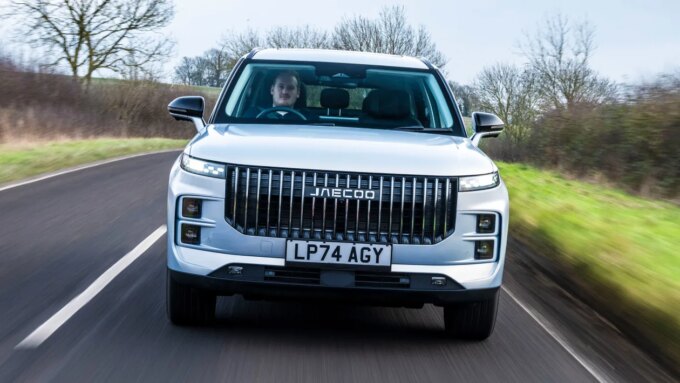
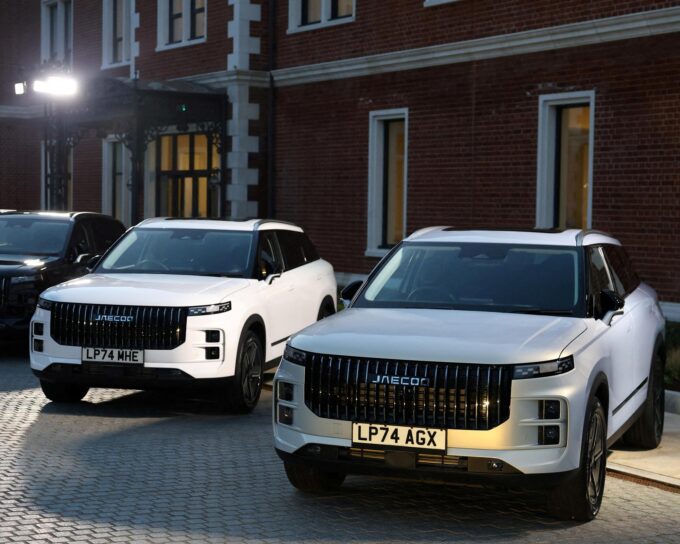
Brands such as BYD, Leapmotor and Jaecoo more than tripled their share of the UK new car market in 2026, reaching 12% of sales, according to the latest industry figures.
BYD has almost doubled its share of the UK market in September 2026 compared with September 2025, with 5.75% of the market, according to figures from the SMMT released on Monday.
In the year to date, BYD’s share has gone up from 2.2% to 3.93%, with 68,000 BYD cars sold up to the end of September, closing in on BMW, which shifted 91,000.
Jaecoo’s share has rocketed, increasing by 223%, with 58,000 new cars sold in the year so far, while Leapmotor sales have soared by a phenomenal 765% – up from about 1,500 cars sold in 2025 to more than 13,000 in the year so far.
A UK government spokesperson said: “We have not put tariffs on Chinese EVs. We continue to engage closely with industry so that our approach reflects the sector’s and UK’s national interests.”












Leave a comment