
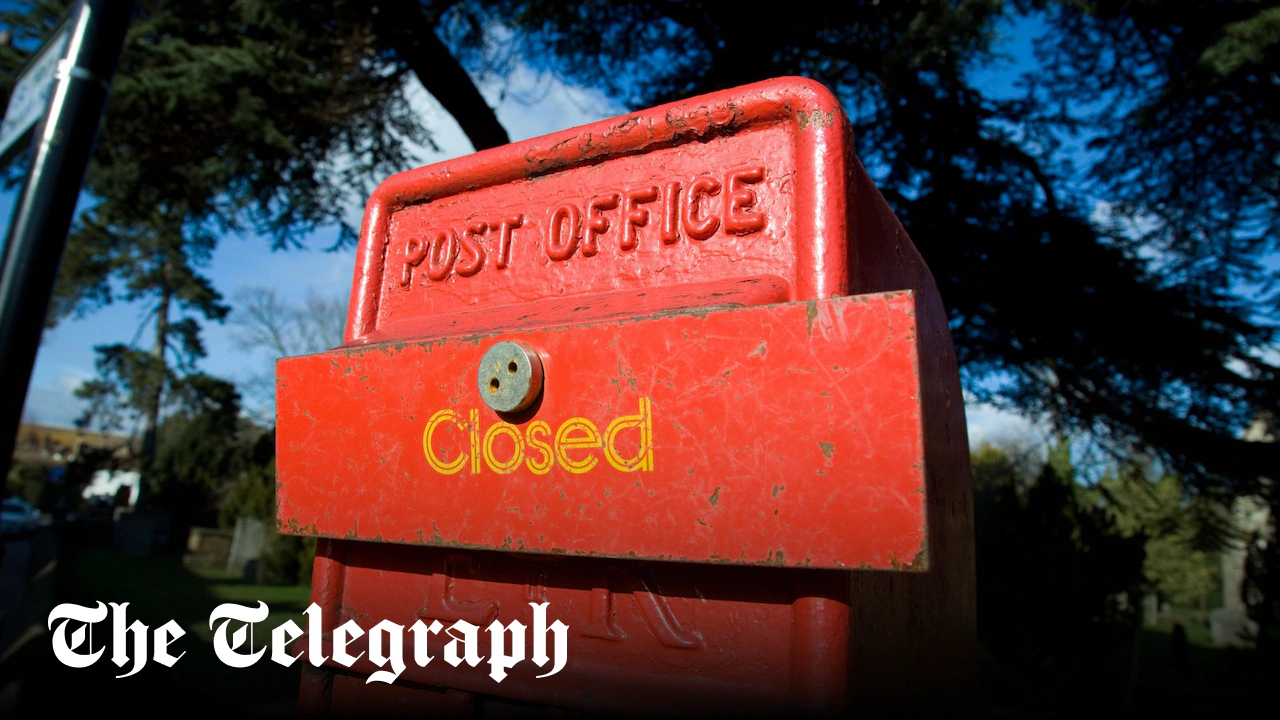
Rural Post Offices have claimed they are at risk of closure after being hammered by a Labour tax raid.
Post Offices are braced for a sharp increase in business rates that will collectively cost them an extra £29m over the coming year, with some branches facing a 200pc increase in their bills.
Bosses said that small and rural branches would bear the brunt of the tax rises. The average rural outlet faces a fourfold increase in its rates bill compared with 2023-24.
This is because many branches that were previously exempt from business rates were pushed over the threshold after a revaluation in April, which was the first since the pandemic. An additional 600 branches across the UK are now liable to pay the tax.
It will raise fresh concerns that Labour’s raid on businesses is hollowing out towns and villages.
Last week, the British Heart Foundation said it was preparing to close 150 of its charity shops as pressure mounts on retailers from recent minimum wage increases. Cancer Research closed 90 of its high-street shops last year.
Labour has faced fierce scrutiny for its business rates overhaul, with retailers and hospitality businesses warning of a wave of closures and job losses from the shake-up.
Rachel Reeves, the Chancellor, was forced to backtrack on some of the changes in January with an £80m support package that cut rates for pubs and live music venues in England.
However, Post Office branches are still facing a sharp rise in their bills. On average, each Post Office branch faces a business rates bill of £3,700 this year while a quarter of branches are due to pay more than £5,000, according to research commissioned by the state-owned company.
Around one in 10 branches are expected to pay more than £10,000, with the high level of tax often disproportionate to size or turnover.
Labour’s tax raid also means Post Offices will pay a higher share of their gross value added in business rates – 10pc – than the overall retail sector, which stands at less than 5pc on average.
Post Offices warned the tax increases posed a threat to their essential services and urged the Government to introduce targeted business rates relief.
Paul Patel, postmaster at Dibden Purlieu Post Office in Hampshire, said his business rates bill had increased by more than £2,000.
“These rising costs come on top of increased tax and National Insurance contributions linked to the higher minimum wage. Altogether, it means my outgoings are rising by thousands of pounds a year,” he said.
“Postmasters are constantly told how vital we are to our communities, particularly in rural areas like mine. But if we are to continue providing these essential services, we need meaningful support.”
The Post Office is attempting to restore its reputation following the fallout from the Horizon scandal, in which hundreds of sub-postmasters were wrongly accused of stealing or false accounting after glitches in a faulty IT system.
It has embarked on a turnaround plan that includes increasing pay for postmasters by £250m by the end of the decade and modernising branches.
The company, which has 11,500 outlets, is also slashing costs by selling off more than 100 directly managed Crown branches.
Further closures are expected as the owner of WH Smith’s former high street business prepares to shut in-store counters.
Neil Brocklehurst, the Post Office chief executive, said: “Post Offices are a lifeline for many communities. There is a structural unfairness in how the tax burden falls across the Post Office network.
“In reality, most Post Offices are small businesses run independently by postmasters, yet are being taxed as if they were large retailers.”
A Treasury spokesman said: “We have the right economic plan – we’re backing high street businesses by reforming business rates, including a £4.3bn support package to limit bills rises, capping corporation tax at 25pc, cutting red tape and taking action on the cost of living to keep footfall strong.”














Leave a comment