
Beneath every Bond’s outward charm is a dangerous brutality, and the volatile balance between the two has always been at the core of his appeal. The literary 007 is a Judo expert who authors a handbook on unarmed combat techniques for field agents, and this proficiency in violence has become more prominent as the films have leaned further into action spectacle. When Daniel Craig and his tiny shorts emerged from the sea in Casino Royale (2006), his chiselled body set a new standard for toughness which a successor will have to match.
“The clue is in Bond’s job description – licensed to kill,” Debbie McWilliams, casting director on 13 Bond films, tells the BBC. “If you don’t believe he can, then the game’s up.”
More like this:
• Why Star Wars went so wrong
• Why great actors can be bad directors
• How Fjord became Cannes’ most divisive film
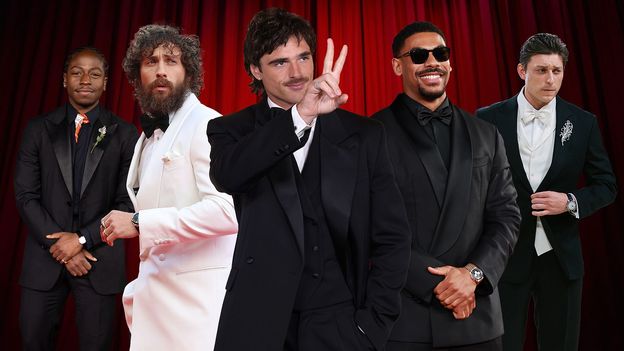
With support from Hollywood’s best physical trainers, almost any actor is capable of bulking up convincingly, but the key to Bond is his confidence and insouciance in dealing out violence. Taylor-Johnson has played believable tough guys in Tenet (2020) and 28 Years Later (2025), but for a performer with genuine fighting prowess, Villeneuve could turn to Aaron Pierre. The classically trained 31-year-old has competed in Brazilian jiu-jitsu, and demonstrated a controlled but brutally effective physicality in the 2024 action-thriller Rebel Ridge.
The other big questions: Why Bond?
Picking an actor is only one piece of the puzzle in bringing the debonair spy back to screens. With a new regime in charge both financially and creatively, the series has never had such clear break with its past. It will take more than a fresh face to reinvent 007 for a new generation of moviegoers. Perhaps more crucial than finding a new Bond, is finding his place in the world.
“First of all, you have to answer the question: why Bond?” says Feirstein. “What role does a British spy play anymore? How does a secret agent work in an online world, where privacy does not exist and everything leaves a digital footprint? What is the place of the UK in this? You have to start there, and make it relevant to this moment.”
—
If you liked this story, sign up for The Essential List newsletter– a handpicked selection of features, videos and can’t-miss news, delivered to your inbox twice a week.
For more Culture stories from the BBC, follow us on Facebook and Instagram.














Leave a comment