
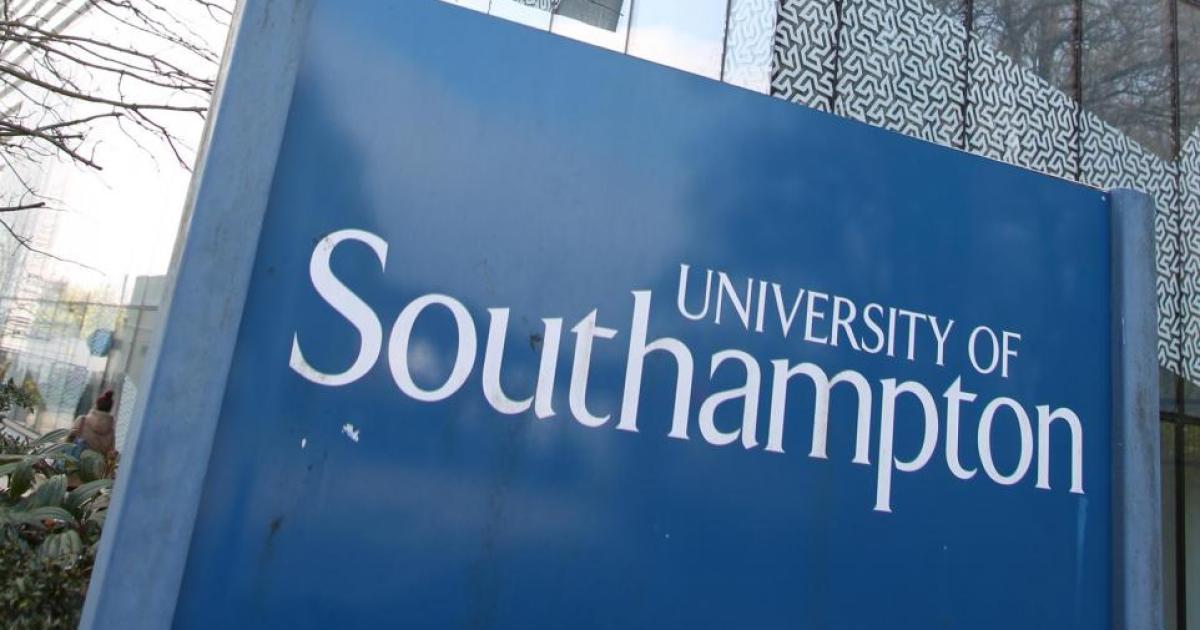
A report from the University of Southampton reveals that occupations in Hampshire and the Solent are slightly more exposed to AI-driven change than the England average.
The findings were presented on November 5, at the Business South Annual Conference, alongside a paper titled Fifty ways Hampshire and the Solent are shaping Britain’s AI revolution.
Sue Littlemore, Director of Civic University at the University of Southampton, said: “AI will reshape work unevenly.
“Information, analysis and administrative roles will feel the greatest shift, while jobs built on physical presence and personal interaction are less directly exposed.”
The report highlights that workers in finance, professional services, ICT and public administration are likely to see the most significant changes, while those in construction, hospitality and care are less affected.
In most sectors, AI is expected to assist with routine tasks and support decision-making, rather than fully replace jobs.
READ MORE: Former Solent University lecturer wins global award
However, around 55,000 workers—about five per cent of the regional workforce—could see a large portion of their day-to-day duties taken over by AI.
These roles are disproportionately held by women, part-time employees and mid-career workers.
The report recommends targeted support, including AI skills training, a public sector exemplar programme and a transition guarantee to help retrain and redeploy those most at risk.
Professor Les Carr, Deputy Director of the Web Science Institute at the University of Southampton, said: “Hampshire and the Solent have all the ingredients to help shape AI, not just adopt it.
“Within one connected region we have major employers in maritime, aerospace, defence and life sciences, some of the UK’s busiest ports and logistics networks and top research institutions that are bringing expertise in all those areas together with AI innovation.”
The University of Southampton leads the £31 million Responsible AI UK consortium, has Dame Wendy Hall advising the United Nations on AI and was the first UK university to embed AI literacy for every student.
The region is reported to have more than 200 AI companies, with 57 new AI businesses created in 2025 alone.















Leave a comment