
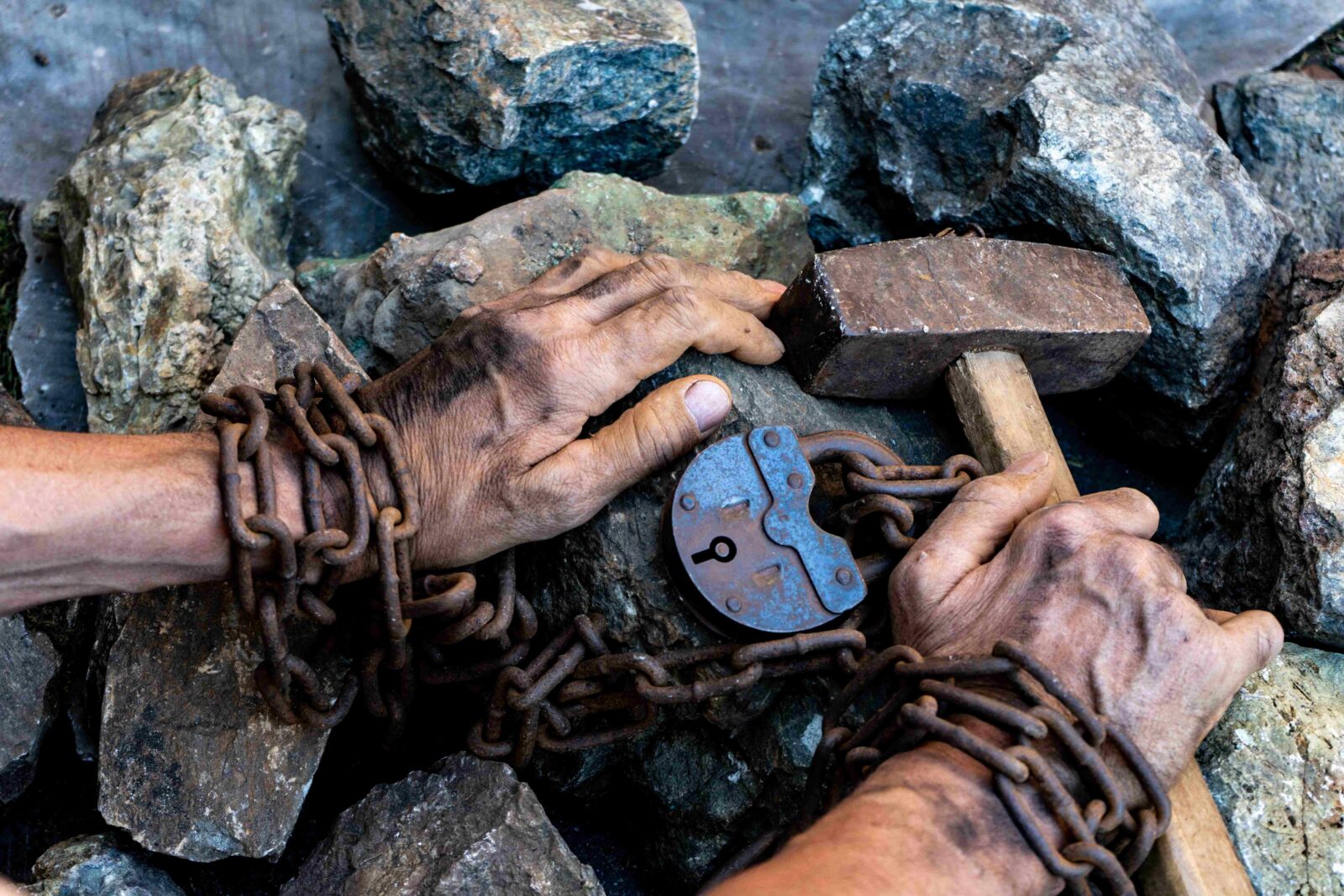

Image Credits: Adobe Stock
The proposed legislation forms part of a wider reform of the UK’s Responsible Business Conduct Framework, following a government review that found existing measures to tackle forced labour were fragmented and relied too heavily on voluntary action and reporting.
The regime will apply to UK businesses with a global turnover exceeding £350m and non-UK businesses generating more than £350m in UK turnover. It will cover services across the UK and goods in Great Britain.
Businesses within scope will also face new requirements to address forced labour risks in their supply chains.
The Government plans to give a regulator powers to investigate suspected cases and order the withdrawal of goods made with forced labour from the Great Britain market where businesses have failed to meet their due diligence obligations.
Northern Ireland will instead apply the EU Forced Labour Regulation under the Windsor Framework.
The Government said the reforms would be proportionate and risk-based, focusing on businesses with the capacity to influence supply chain practices. It also plans to establish a centralised guidance hub to help businesses implement the requirements.
Research flags weaknesses in existing legislation
The announcement comes as new research from Hult International Business School found that ten years after the UK Modern Slavery Act, 87% of managers believe modern slavery is likely to be occurring somewhere in their value chains.
This is based on a survey of 57 managers responsible for modern slavery, ethical trade, human rights, procurement, legal compliance and related functions at organisations actively engaged in addressing modern slavery.
More than half, 55%, said their organisations had identified actual or suspected cases in the previous three years.
The findings point to shortcomings in the 2015 legislation, which requires large businesses to publish annual statements on their efforts to tackle modern slavery but does not set out specific actions they must take.
Nine in ten respondents identified this as a key weakness, while 85% said penalties for poor compliance were not strong enough. A further 73% said the Act had encouraged a focus on reporting rather than substantive action.
The research found that 92% of respondents believe enhanced UK regulation requiring mandatory human rights due diligence would improve corporate action on modern slavery.
Professor Matt Gitsham of Hult International Business School, a co-author of the report, said: “The Modern Slavery Act was a genuine world first, and it has helped bring this issue to the attention of the C-suite.
“UK businesses across a range of industries are telling us that stronger, clearer rules would help them do more to find and address exploitation, and would raise the bar for everyone, across all industries.”
Fairtrade warns of environmental gap
The Government’s proposals have received support from organisations campaigning for stronger corporate accountability, although concerns have been raised about the exclusion of environmental due diligence.
Marie Rumsby, director of advocacy at the Fairtrade Foundation, said: “This is a major step towards fairer supply chains and we welcome it. Farmers and workers should not pay the price for exploitation or irresponsible business practices.
“But leaving out environmental due diligence is dangerous for the future resilience of our supply chains and our food security. Extreme heat, droughts, floods and increasingly unpredictable weather can devastate crops, spread diseases, threaten incomes and make it harder for farmers to make a decent living.
“More than 111,000 people backed Fairtrade’s call for a responsible business law. The Government has listened on human rights. Now it needs to finish the job and ensure businesses are accountable for their environmental impacts too.”
Anti-Slavery International also welcomed the move towards mandatory due diligence and import controls but raised concerns about the different arrangements proposed for Northern Ireland and Great Britain.
Craig Bradshaw, the organisation’s business and human rights manager, said: “The recommendations from the UK Government in the responsible business conduct review are an essential first step.
“We welcome the Government’s recognition that standalone mandatory due diligence legislation and import controls are necessary to protect UK markets from forced labour goods.
“Up to this point, voluntary efforts have not effected any change as businesses have continued to profit from the exploitation of people and planet.
“A Business, Human Rights and Environment Act and a complementary import ban on goods made with forced labour must apply across the entirety of the UK.”
The proposals will be developed with stakeholders, with the Government saying it intends to introduce the measures as soon as parliamentary time allows.














Leave a comment