
A CRISIS-HIT car brand has reportedly axed plans for a brand new EV vehicle – three years after announcing the motor.
The decision comes after the firm launched a major global restructuring, set to cut 20,000 jobs worldwide.


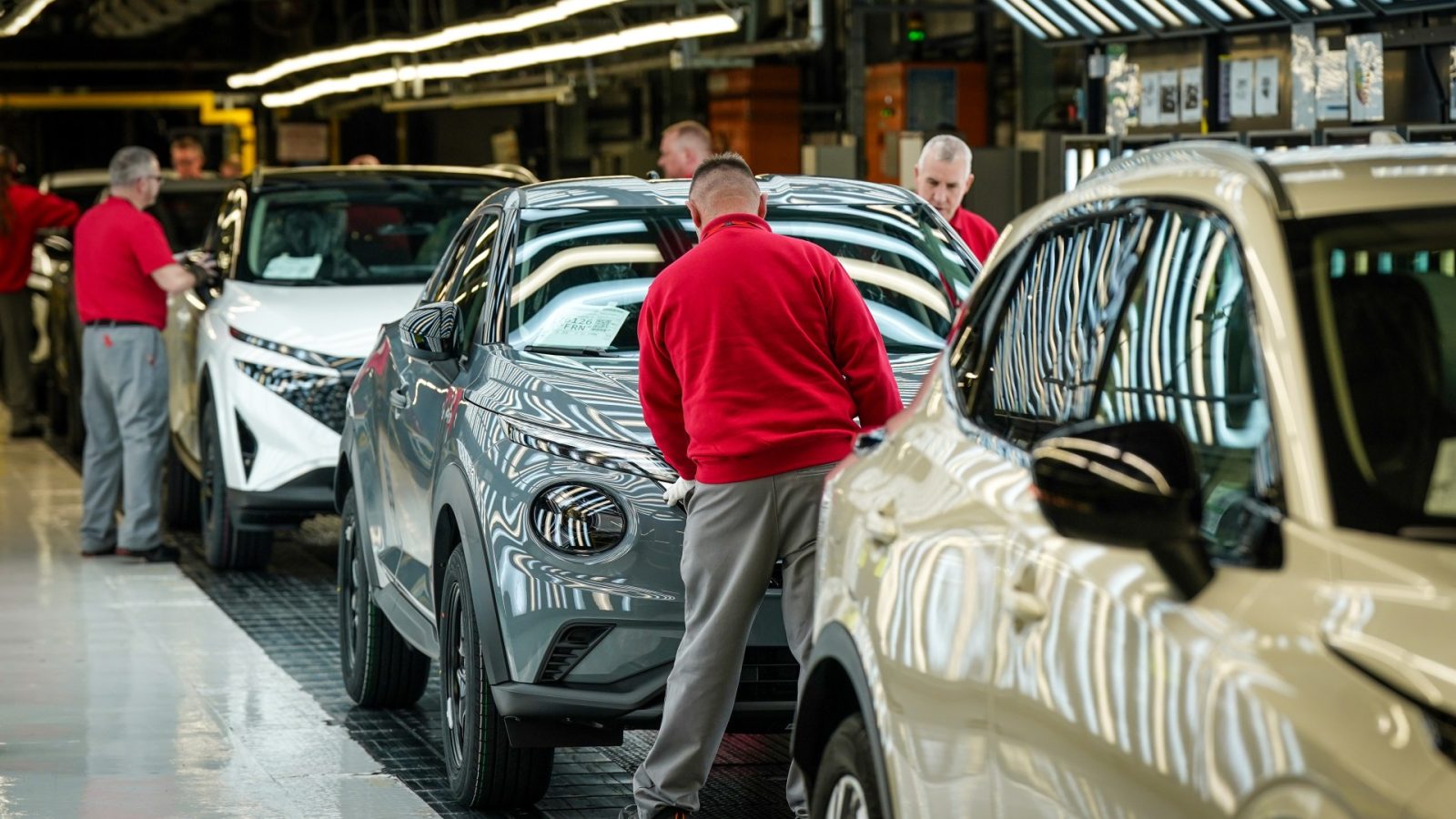
Nissan has reportedly axed plans for the development of its first fully electric Qashqai.
The EV was announced as part of a £3 billion investment into the car brand’s Sunderland plant, but it appears the project has been axed.
Multiple sources revealed to Reuters that the new Qashqai was “quietly shelved” last year.
Plans for the electric Qashqai was announced in 2023, but the firm hadn’t revealed a launch date for the new vehicle.


However, it was expected to debut in the near future, with the fully electric Qashqai part of a rollout of three new EVs.
Nissan has previously revealed plans for a next-generation Juke and launched the Mk3 Leaf, which is currently available.
The news comes off the back of a major restructuring that took place within the Japanese brand over the past few years.
Nissan announced a global cost-saving plan, called Re:Nissan, after the motor company reported £4 billion losses.
As part of the restructure, the brand announced it would be cutting 20,000 jobs worldwide and closing several factories.
Nissan recently confirmed that hundreds of these job cuts would occur across Europe.
Nissan has neither confirmed nor denied the shelving of the EV and has not provided any further details about the new electric Qashqai.
The car firm did, however, tell Auto Express: “Qashqai is a global best-seller and we will continue to build on our rich history of electrifying our products – we’re excited to share future plans so watch this space!”
“Nissan already has the all-electric Micra, Leaf, and Ariya.
“This electrified line-up will be boosted by an entry-level A-segment EV later this year and the UK-built Juke EV in early 2027.”
The brand is also set to work on building Chinese cars, in a recent announcement that the motor company signed a preliminary agreement with Chery.
It would mean that British workers would begin to work on a number of Chinese models, including Omoda and Jaecoo, from 2027.













Leave a comment