
UK inflation has returned above 3% as soaring fuel and transport prices triggered by the Iran war heap renewed pressure on British households.
Figures from the Office for National Statistics show inflation as measured by the consumer prices index rose from 2.9% in July to 3.1% in August, driven by motor fuel prices rising by almost a quarter.
In a critical week for the economy, the Bank of England is preparing for a crunch decision on interest rates on Thursday against a backdrop of rising inflationary pressures from soaring oil and gas prices.
As fighting across the Middle East intensifies, fuelling turbulence in global financial markets, the oil price has soared to more than $108 a barrel – raising the prospect of a fresh squeeze on businesses and households.
Bond markets have been thrown into a tailspin, with intense selling pressure pushing the yield – in effect the interest rate – on US government bonds above 5% for the first time since 2023 and driving long-term UK government borrowing costs to the highest levels in decades.
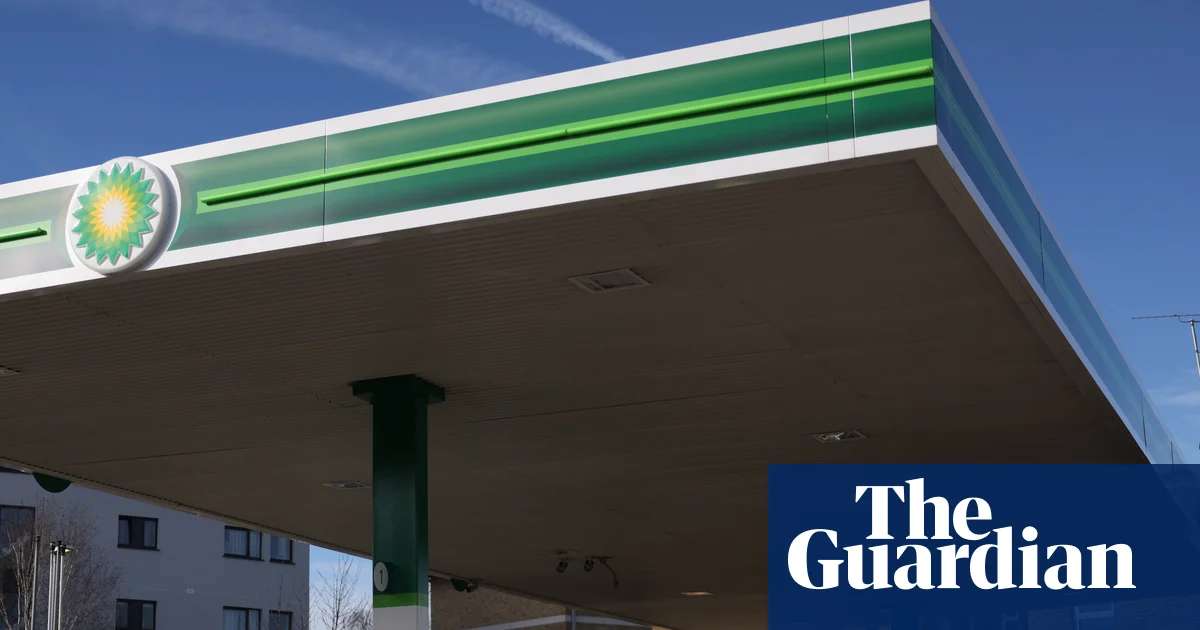
The ONS said the biggest contributor to the inflation rise was from average motor fuel prices rising by 23% in the past year. The average petrol price rose by 9.1p between July and August to 161.3p a litre, the highest level since November 2022. Diesel prices rose by 14.2p to 181.8p a litre.
Air fares also rose sharply, with an increase of 6.2% between July and August, particularly for long-haul routes. Rising crude oil and fuel prices also drove up the cost of raw material and the price of goods leaving factories.
Threadneedle Street kept borrowing costs unchanged in July as it warned that a worst-case scenario in the Middle East – involving further escalation in the war – could drive UK inflation to a peak of 4.5% by the middle of 2027.
Inflation in the service sector of the economy, which is closely monitored by the Bank, remained unchanged at 3.4%. Core inflation – which excludes volatile items such as energy and food – also held steady at 2.6%.
The chancellor, John Healey, will next month present a tough budget as rising inflation and higher borrowing costs complicate the task of funding Andy Burnham’s policy priorities.
Richard Carter, the head of fixed interest research at Quilter Cheviot, said: “For the government, today’s figures are a kick in the teeth for an administration that wants to make easing the cost of living its central mission.
after newsletter promotion
“The budget is quickly coming into focus and with borrowing costs continuing to climb for the UK, measures are going to be limited and thus growth will remain challenged.”
Healey said Britain and other countries around the world were being hit by the war in the Middle East driving up inflation.
“We have taken early action to help families and businesses with breathing space, by cutting tax on electricity bills, capping bus fares at £2 and lowering rates for pubs, social clubs and live music venues,” he said.
“Despite this serious global uncertainty, our UK economy is proving resilient, and our determination to deliver and growth in every postcode continues.”















Leave a comment