
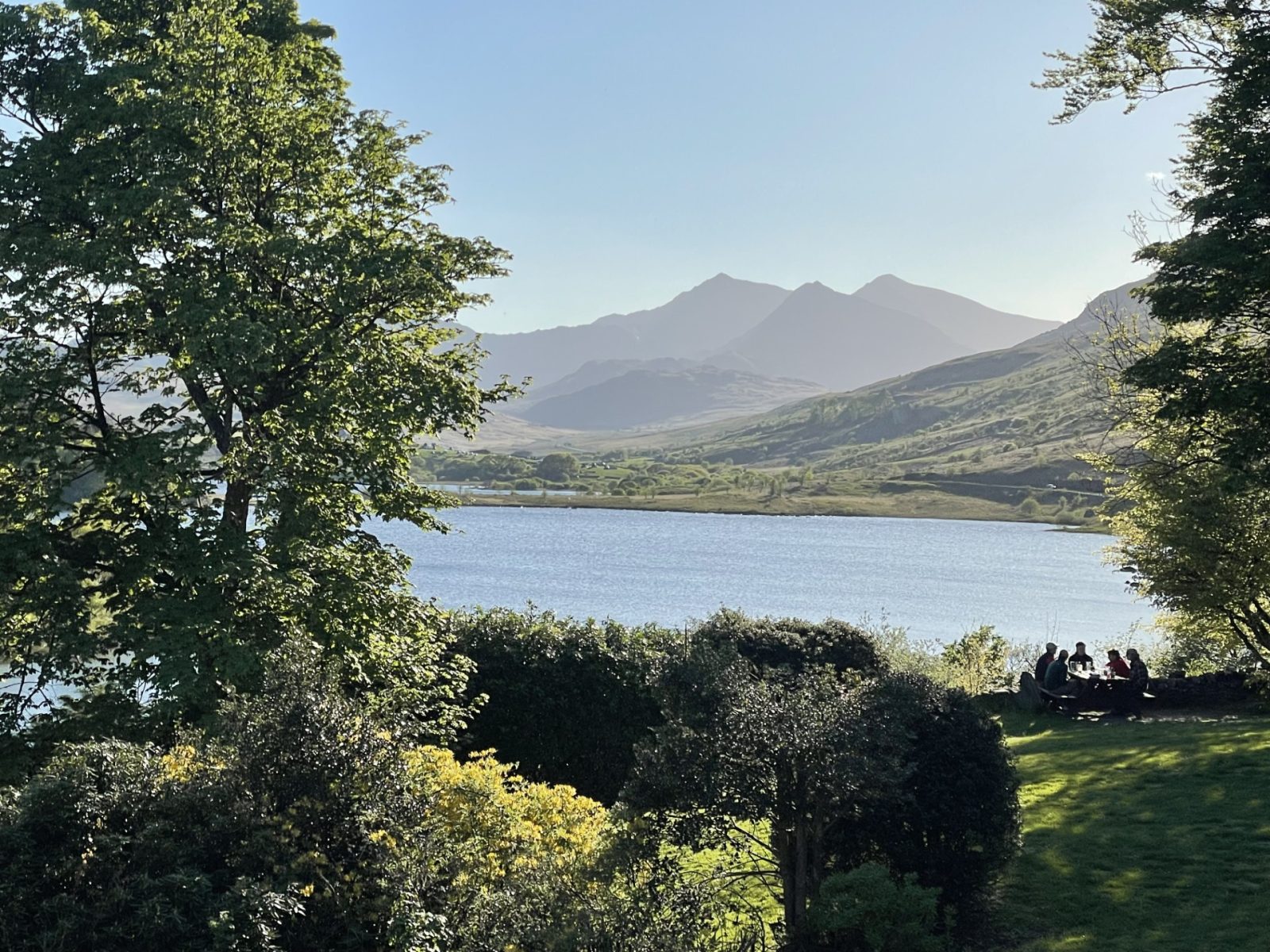
How do the manifestos stack up for access, climate, and nature?
Plaid Cymru – likely governing party
Plaid Cymru enters this election as the most likely replacement for Labour to lead the next Government. Its manifesto reflects that seriousness, particularly on rural policy and environmental framing.
Access: 1.5 / 5
On access, Plaid is weak. While it recognises the need to balance land use between food, energy and nature, it does not set out any clear proposals to expand or reform access. There is no commitment to access reform or improving rights of way or path infrastructure. Access is acknowledged but not meaningfully developed. They do discuss the need for sustainable tourism. They do promise a community right to buy, inclusive of land.
Nature: 2.5 / 5
On nature, Plaid is stronger. They frame environmental policy within “sustainability, resources and rural resilience” and makes a clear effort to integrate farming, communities and ecosystem recovery. There is a coherent sense that nature recovery must work with rural Wales rather than against it, however detail is lacking in some areas – e.g. in building an alternative to ‘farming by calendar’ for improving water quality. They notably do not commit to protecting 30% of our lands and seas for nature by 2030, and promise to simplify and cut environmental regulations (‘red tape’) affecting farmers.
Climate: 3.5 / 5
On climate, Plaid supports renewable energy expansion and long-term transition, positioning this as both environmental necessity and economic opportunity, promising profit shares from renewables for community led projects. They commit to reaching net zero by 2040.
Welsh Labour – incumbents and possible coalition partners
Labour remains a major force, but enters the election under pressure after 27 years in power. Their manifesto reflects a party focused on delivery rather than transformation.
Access: 2.5 / 5
On access, Labour commits to creating more green spaces and links nature to health and wellbeing, but does not propose any legal reform. There is no promise to reform access law, although they have supported this in the past.
Nature: 3.5 / 5
On nature, Labour focuses on practical delivery: restoring ecosystems, reintroducing species, cleaning rivers and seas, and expanding the National Forest. These are tangible commitments, building on existing programmes. They have previously committed to protecting 30% of our lands and seas for nature by 2030 while in Government but this is not repeated in the manifesto.
Climate: 3.5 / 5
On climate, Labour commits to an “Energy Independent Wales”, with investment in renewables and infrastructure, and leans on land-based interventions such as tree planting and wetland expansion, with an emphasis on flood and coastal prevention.
Wales Green Party – possible coalition partners, likely to be elected for the first time in Wales
The Greens will not be leading the next Government, but could be influential in coalition or other arrangements. This could put them in a relatively powerful position. Their manifesto is the most ambitious when it comes to access, nature, and the environment.
Access: 5 / 5
The Greens are the only party to seriously deal with access, proposing a rules-based right to roam system, and a community right to buy. Their support for expanded access, combined with a rights-based framing of land and nature, aligns most closely with a modern access model, also pledging to support sustainable tourism.
Nature: 4.5/ 5
On nature, they are the strongest of all parties. They propose legally enforceable targets and embed nature recovery across all areas of government decision-making. They promise to update National Parks legislation such that biodiversity recovery becomes a core purpose alongside landscape protection and recreation. Explicitly supports 30×30 biodiversity goals.
Climate: 3.5 / 5
The Green Party manifesto has strong climate ambitions. Climate is treated as the central organising principle of policy, with systemic changes across housing, transport and energy, with ambitions plans for decarbonisation. They do not commit to a firm date for net zero.
The scale of ambition raises questions about delivery. Like many other parties, the Greens do not provide full, detailed costings for how their programme would be funded.
Welsh Conservatives – a (near) total collapse?
Polls say Conservatives are unlikely to form government, and at times have been predicted to lose nearly all their members. More recent polls say they may remain a political presence.
Access: 1 / 5
On access, their manifesto is largely silent. There are no meaningful proposals on rights of way, access reform, or public rights to land. Access appears only indirectly through tourism and recreation.
Nature: 2 / 5
On nature, environmental policy is present but not central. Nature is treated more as an asset than a priority, and commitments lack depth.
Climate: 1.5 / 5
On climate, the Conservatives support energy development, including nuclear, but climate policy is framed through economic growth rather than urgency. The overall approach is limited.
Welsh Liberal Democrats – no breakthrough
The Liberal Democrats are unlikely to lead government, but could again play a balancing, or partially balancing role.
Access: 2 / 5
On access, they are broadly supportive but vague. There is no clear proposal for reforming access law or expanding rights. Access is present, but not prioritised.
Nature: 2.5 / 5
On nature, the party focuses on specific issues, particularly water quality. Cleaning up rivers and seas is a central priority, though the overall environmental programme is narrower than others.
Climate: 2.5 / 5
On climate, they align with mainstream decarbonisation policy, but without the scale of ambition seen in other manifestos. They commit to net zero but do not state when.
They propose some funding measures, including tax changes, but do not fully cost all commitments.
Reform UK – deregulation, and ignoring climate change
Reform UK has little to say about access and the environment, and what it does have to say treats these as areas to be cut to make room for tax reductions in other areas.
Access: 0 / 5
Reform UK does not mention access specifically in their manifesto. The manifesto does not engage with countryside access as a policy area.
Nature: 0 / 5
The words ‘nature’ and ‘biodiversity’ do not appear in the Reform UK manifesto. They offer to deregulate farming and want to scrap the regulator, NRW. They also wish to remove environmental constraints on developers.
Climate: 0 / 5
On climate, Reform stands apart. They propose scrapping net zero and rolling back environmental regulation. They previously proposed re-developing the Welsh coal industry.
The rest:
Gwlad, Propel, as well as the Heritage, Communist, and Open Parties are also standing candidates in Wales. Gwlad explicitly rejects net zero policies and prioritises economic use of natural resources, while offering little on public access. The Heritage Party also opposes net zero and has minimal policy on nature or access. Propel does not set out a clear framework on climate, nature or access, and opposes net zero. The communist party manifesto supports urgent climate action but does not present policy on access or nature. The Open Party does not publish a manifesto for their independent candidates.















Leave a comment