
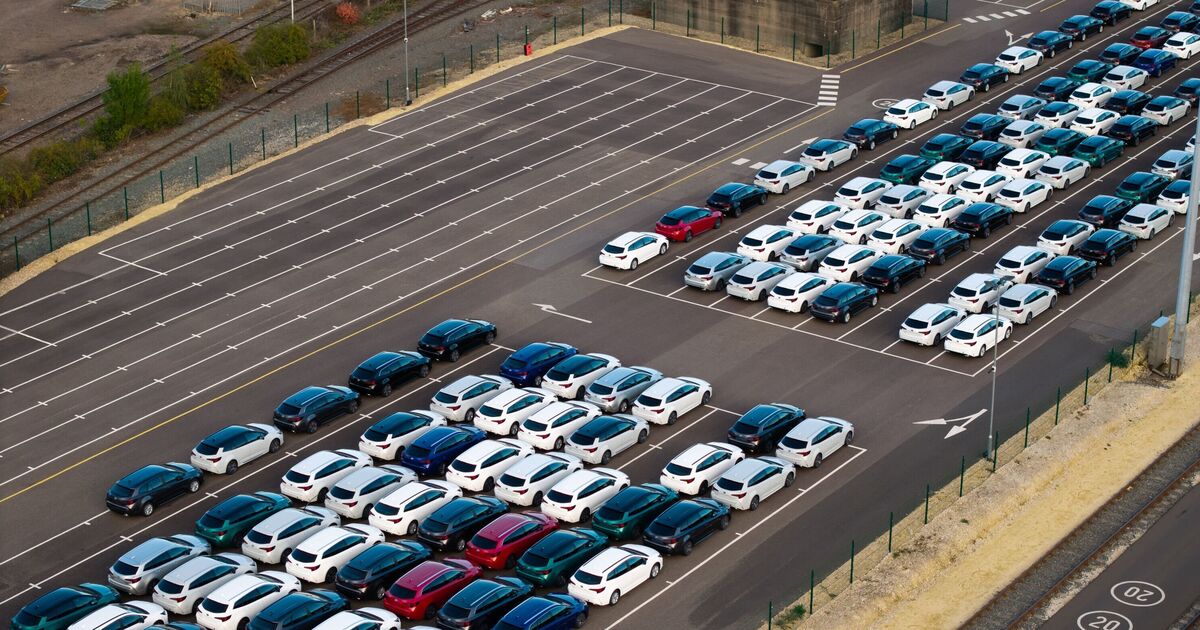
Certain types of vehicles are exempt from vehicle tax. However, while this means you don’t need to pay the tax, you must still register (tax) your vehicle, even if no payment is required.
It has been confirmed that some vehicle owners are not required to pay if their vehicle falls into one of the categories listed below. But others must pay, according to GOV.UK.
There are also changes coming into effect next month that motorists should be aware of. And it’s all about changes to our car bills.
6. Mowing machines: You do not have to pay vehicle tax on a mower that is specifically designed and used for cutting grass. This exemption does not apply to tractors used for towing gang mowers.
7. Steam vehicles: You do not have to pay vehicle tax on any steam-powered vehicle.
8. Vehicles used for agriculture, horticulture and forestry. This includes:
- tractors
- agricultural engines
- light agricultural vehicles used off-road
- ‘limited use’ vehicles used for short journeys (no more than 1.5km) on a public road between land that’s used by the same person
If you submit a SORN (Statutory Off Road Notification), you are informing the DVLA that your vehicle will not be used on public roads. According to GOV.UK: “You’ll get a refund for any full months of remaining tax.”
It adds: “You cannot use the vehicle on the road until you tax it again.” If you are worried, have any questions, or need help with your vehicle tax, you should contact the DVLA.
Car tax changes – April 2026
Some people may start to see changes next month, following Chancellor Rachel Reeves’s announcement of major revisions to the UK car tax system in the Autumn Budget. As explained by RAC Drive, an upcoming change will come into effect from April 1 2026. The standard tax rate for all petrol, diesel, or hybrid cars registered after April 1, 2017 rises to £200.
Motoring experts point out that a 6-month payment costs £110, or £105 if paid by direct debit, while spreading the payment over 12 monthly instalments totals £210. If your car originally cost over £40,000 (£50,000 for electric cars), you may pay an extra £440 luxury car tax, bringing your annual VED to £640. For cars registered before 2017, the amount can vary, depending on the vehicle’s year, fuel type, and emissions.
To find the tax band of your car you will need the year of the vehicle’s registration (you can find this on the V5C logbook), your fuel type and CO2 emissions. In addition to this, from April 2028, drivers of electric and plug-in hybrid cars will pay more tax. This comes as a new pay-per-mile eVED (Electric Vehicle Excise Duty) system is set to be introduced.















Leave a comment